

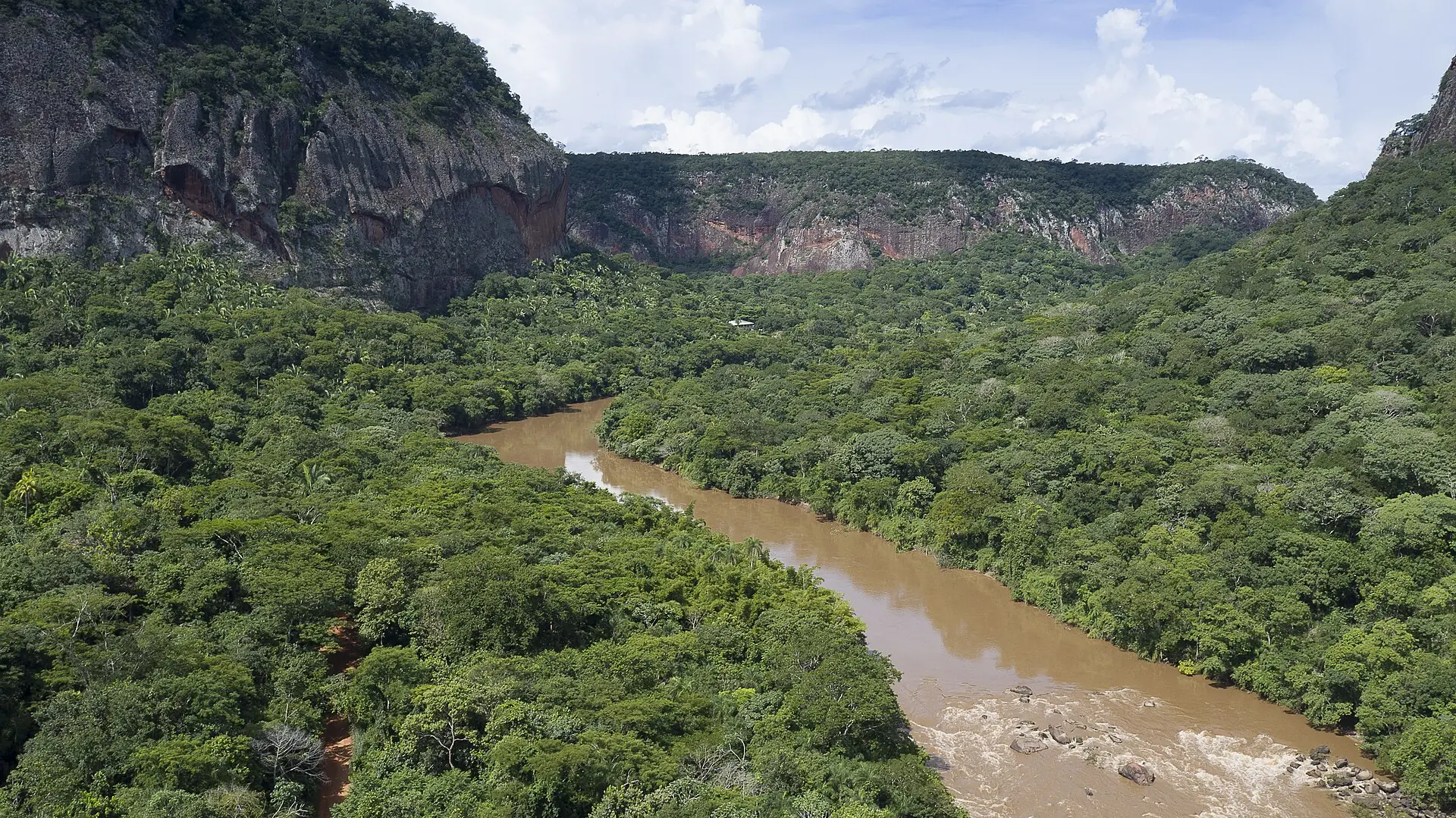
Anyone coming along the BR-262 and turning onto the MS-450 notices the change before any signpost. The road narrows, the range closes in, and suddenly there is a red cliff on one side and a river on the other. Between the two there is room for the carriageway, a railway track and three small districts: Camisão, Piraputanga and Palmeiras.
The cliff is the edge of the Serra de Maracaju. The rock is sandstone of the Aquidauana Formation, laid down in the Carboniferous period, some three hundred million years ago. Beside it, any human date looks small. Its colour shifts with the light: paler in the morning, deeper late in the afternoon.
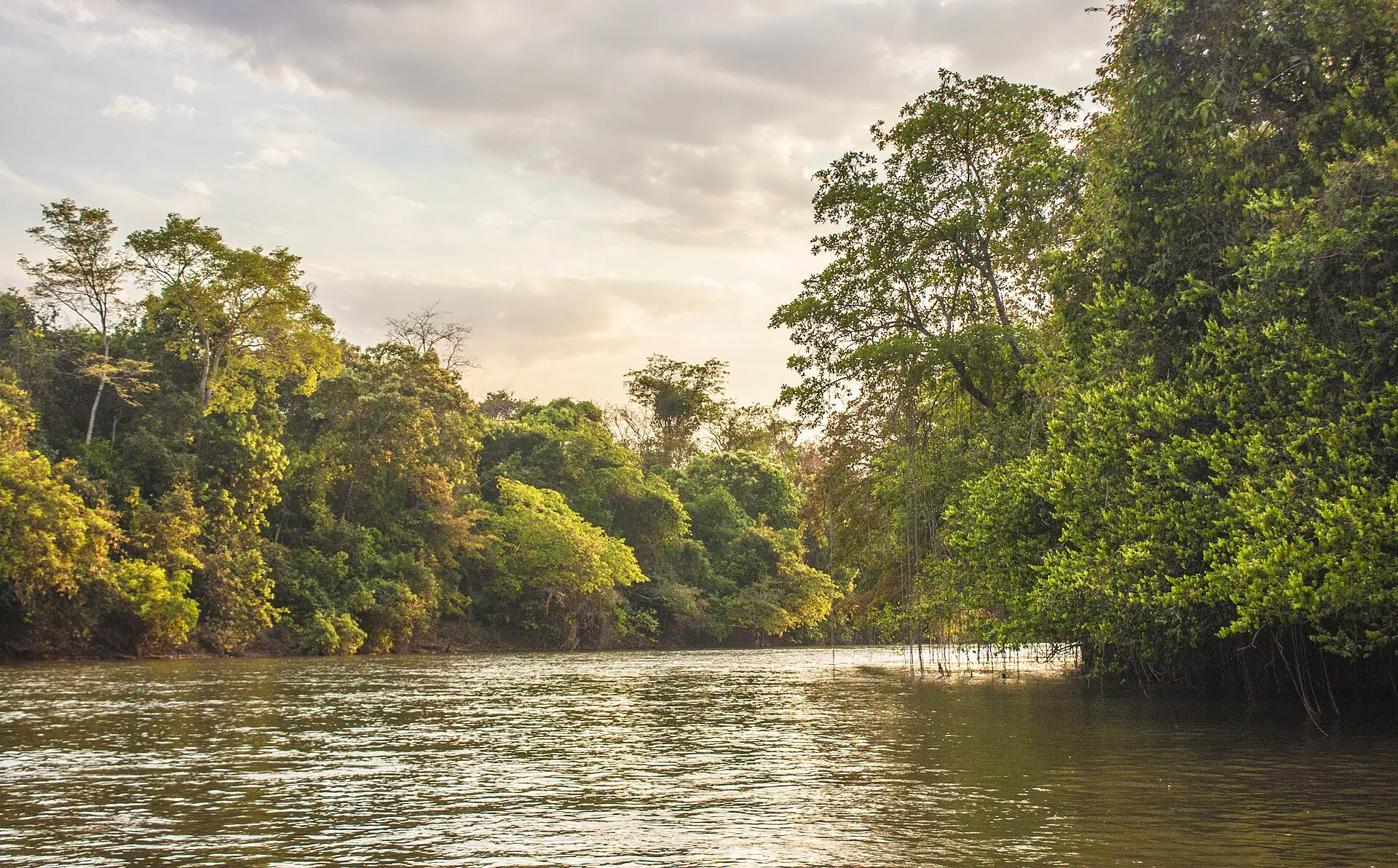
The river is the Aquidauana, which runs at the foot of the range and carries on towards the Pantanal. In it lives the piraputanga, Brycon hilarii, the fish that gave the district its name. It is rare for a place to have so exact a name: it says what is in the water, and the water goes on saying the same.
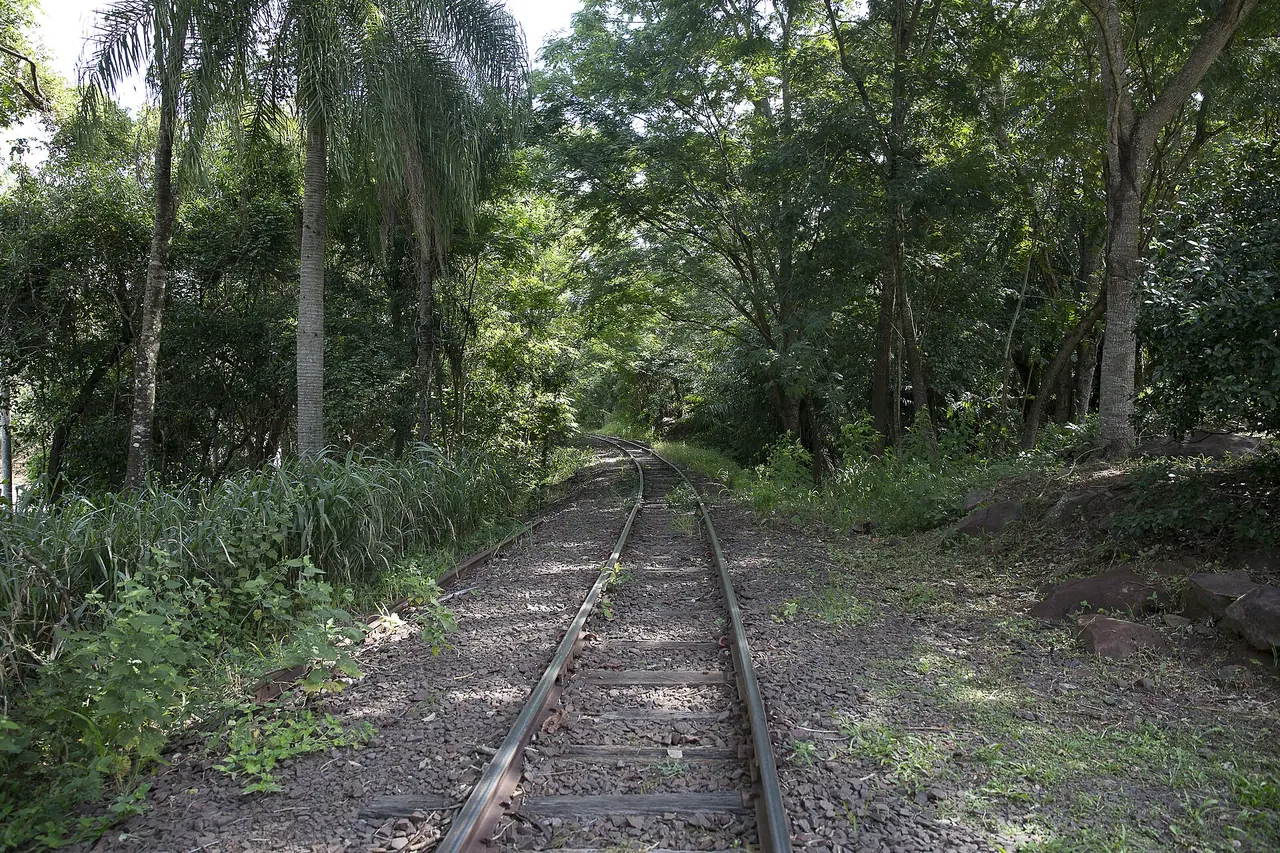
The railway arrived before the tarmac. The Noroeste do Brasil line left Bauru, in the interior of São Paulo state, in 1905, and in 1914 reached Porto Esperança, on the edge of the Pantanal. It crossed the range here, following the river. The tracks run through the district, between the water and the rock.
Aquidauana, the town, dates from 1892, older than the railway. It was the train, however, that tied this corner of Brazil to the rest of the country. Today the line is quiet. The track remains, and anyone walking through the district still crosses it.
Since 2000 the stretch has been protected. The Estrada-Parque de Piraputanga Environmental Protection Area follows the MS-450 for some forty kilometres, between Aquidauana and Dois Irmãos do Buriti. The idea of a park road is simple: the way is already the place. One does not pass along it to get somewhere else; one travels it slowly, stopping.
The way is already the place.
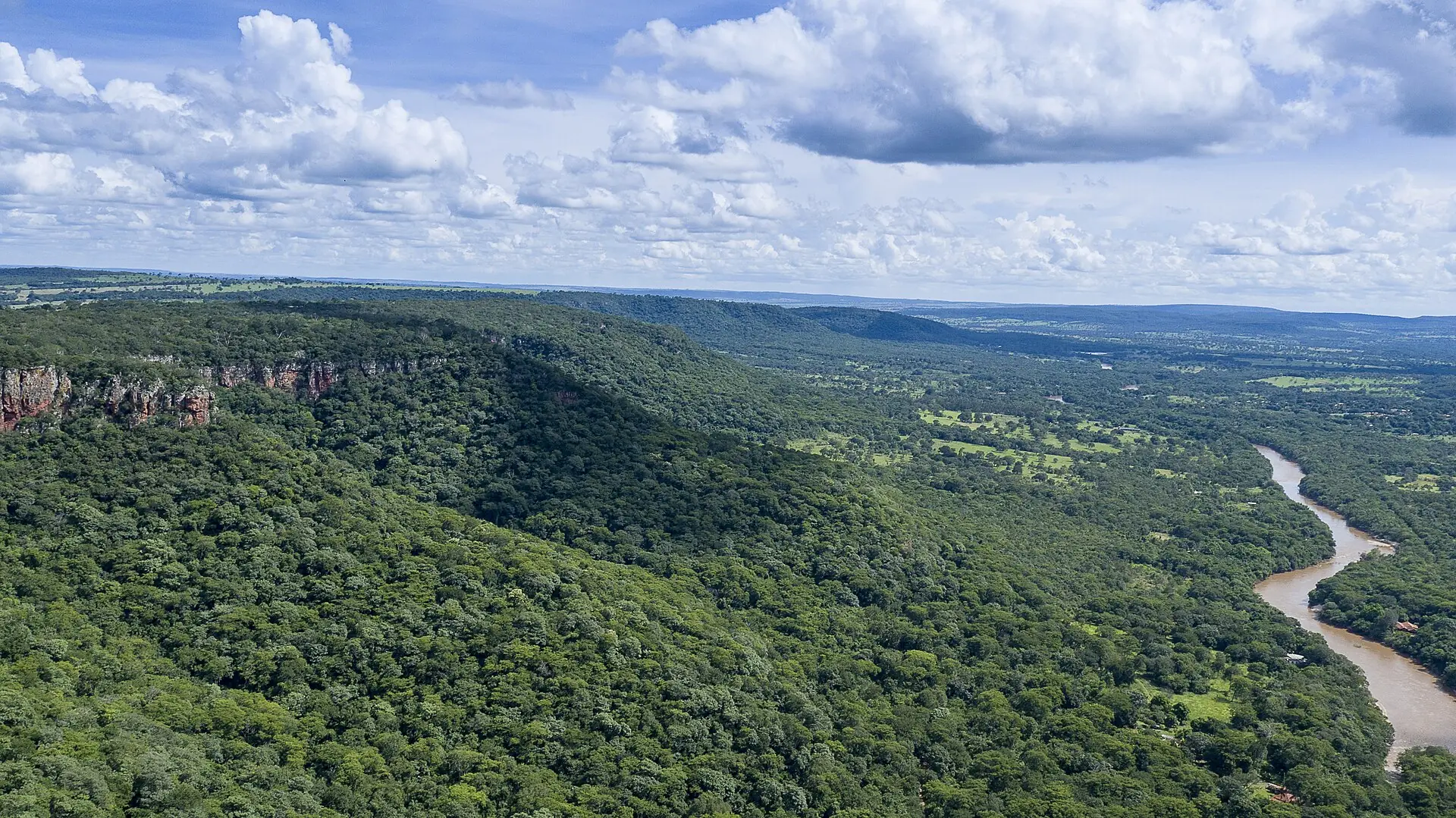
At Camisão one climbs Morro do Paxixi. From the top, the lookout shows what can only be guessed at below: the range on one side and, on the other, the plain, flat as far as the eye can reach. Down below, the river looks like a thread. The track, another.
Piraputanga has no sea, and that is why it is among the places of InnC House. There is an inland Brazil, of running river and ancient rock, that the coast knows nothing of. The silence is different. The night is different. And the stone, at the end of the day, changes colour before those who stayed to watch.
One returns to such a place for a reason hard to explain to those who know only beaches. There is nothing to do, in the sense that cities give the phrase. There is something to look at, and something to listen to. After a few days, one realises how much looking and listening had been missed.
Other Notes
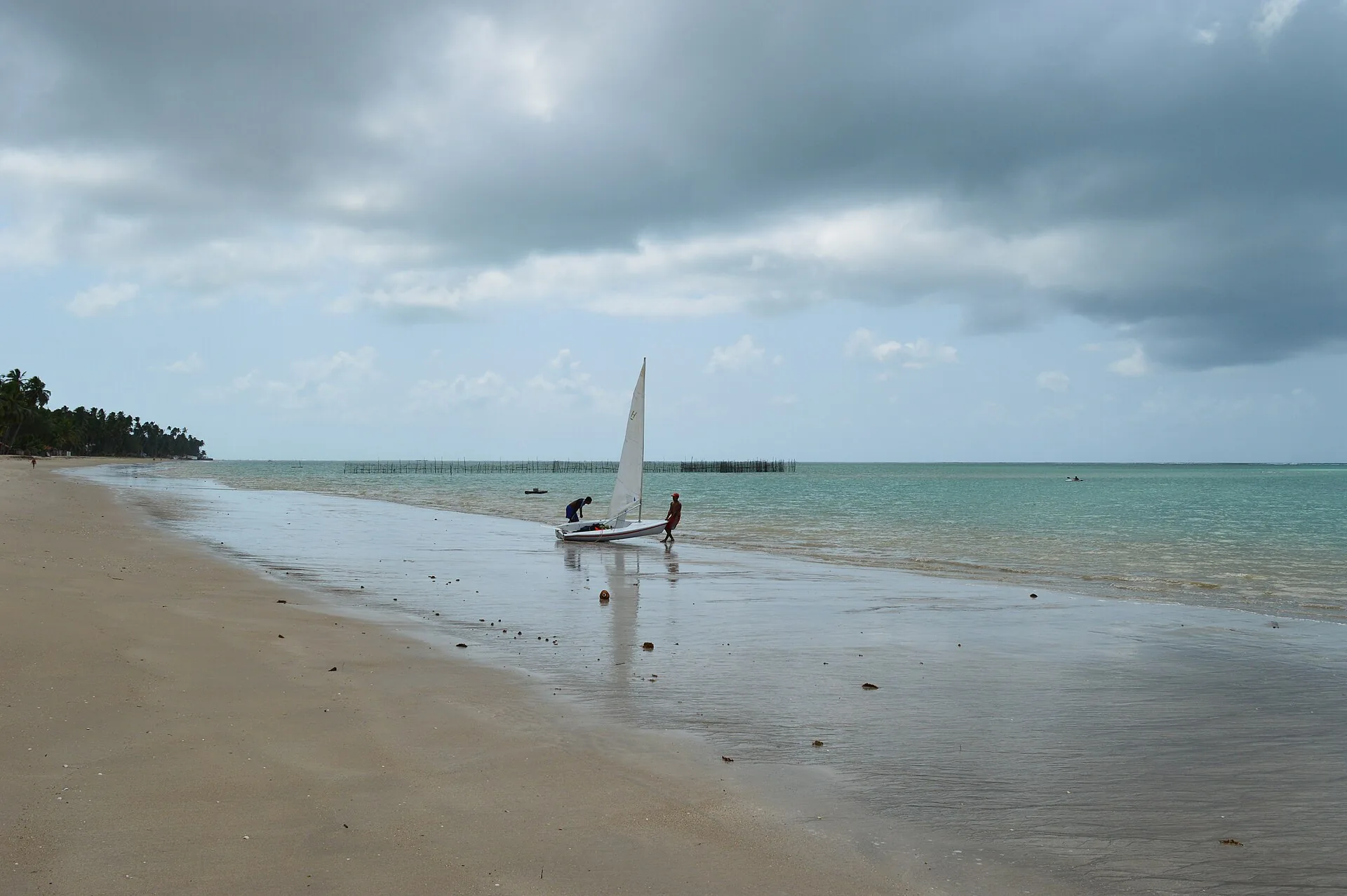
The reef
A line of living rock, close to the sand, decides what the sea is like at Milagres.
Read
The saveiros of Cajaíba
On the far side of Camamu Bay, wooden boats are still built by hand.
Read
The river of the manatee
On the Tatuamunha, the gentlest animal of the coast has a river again.
Read